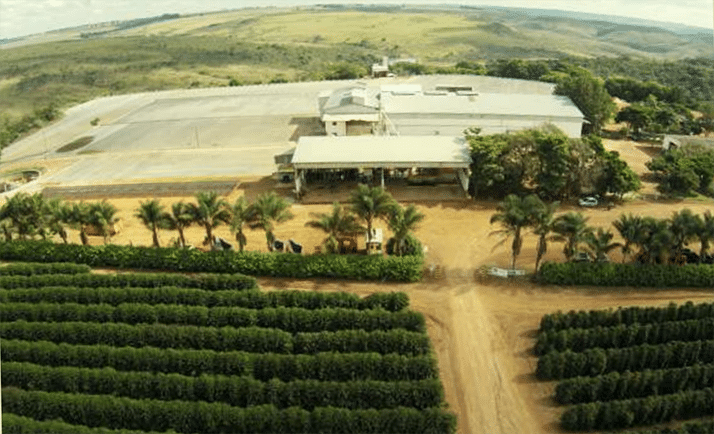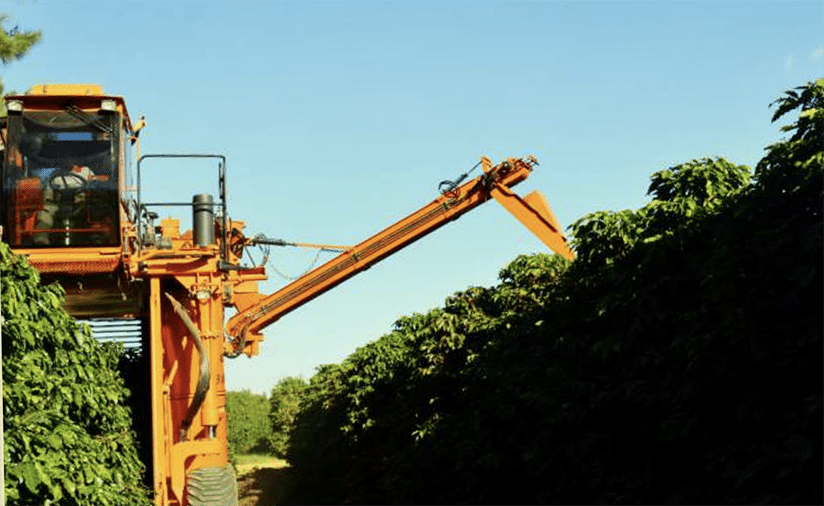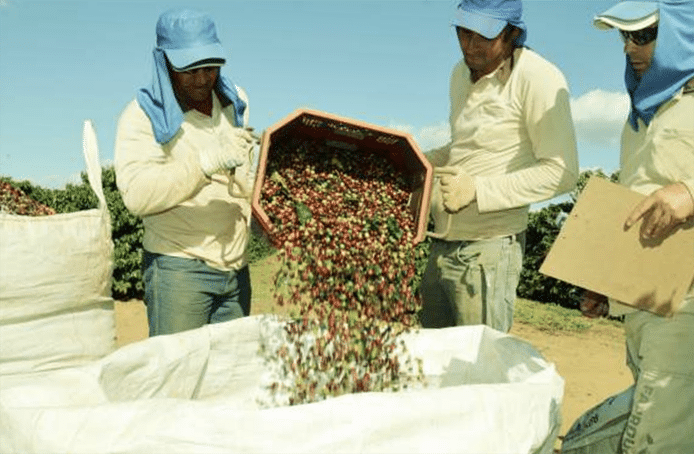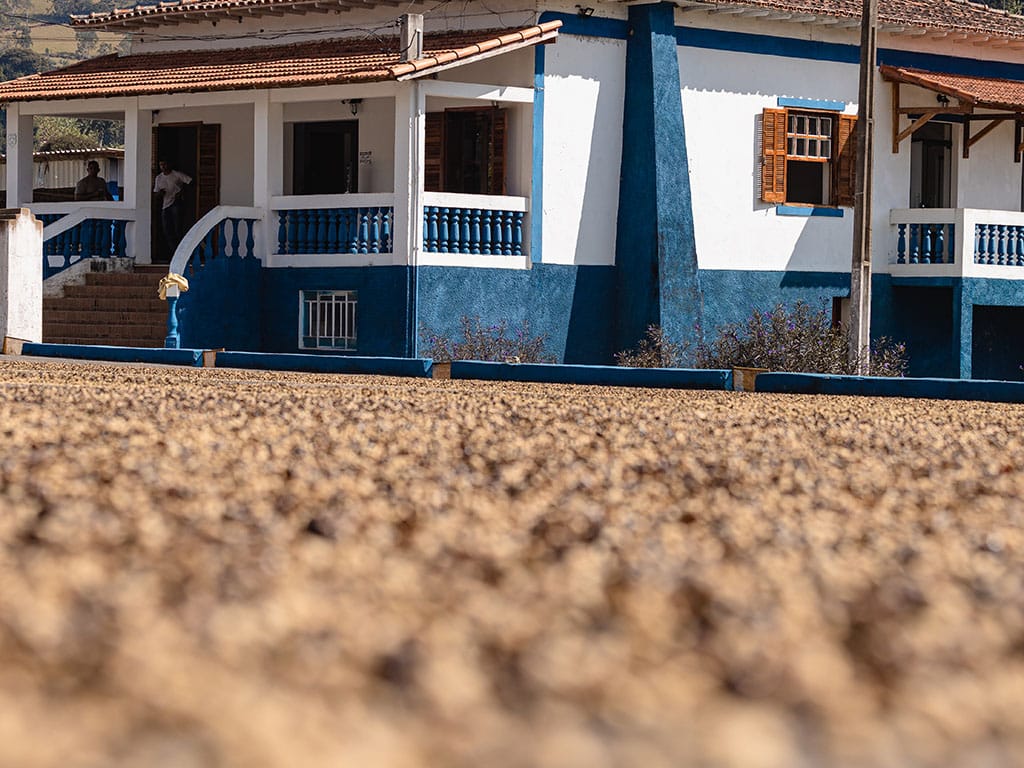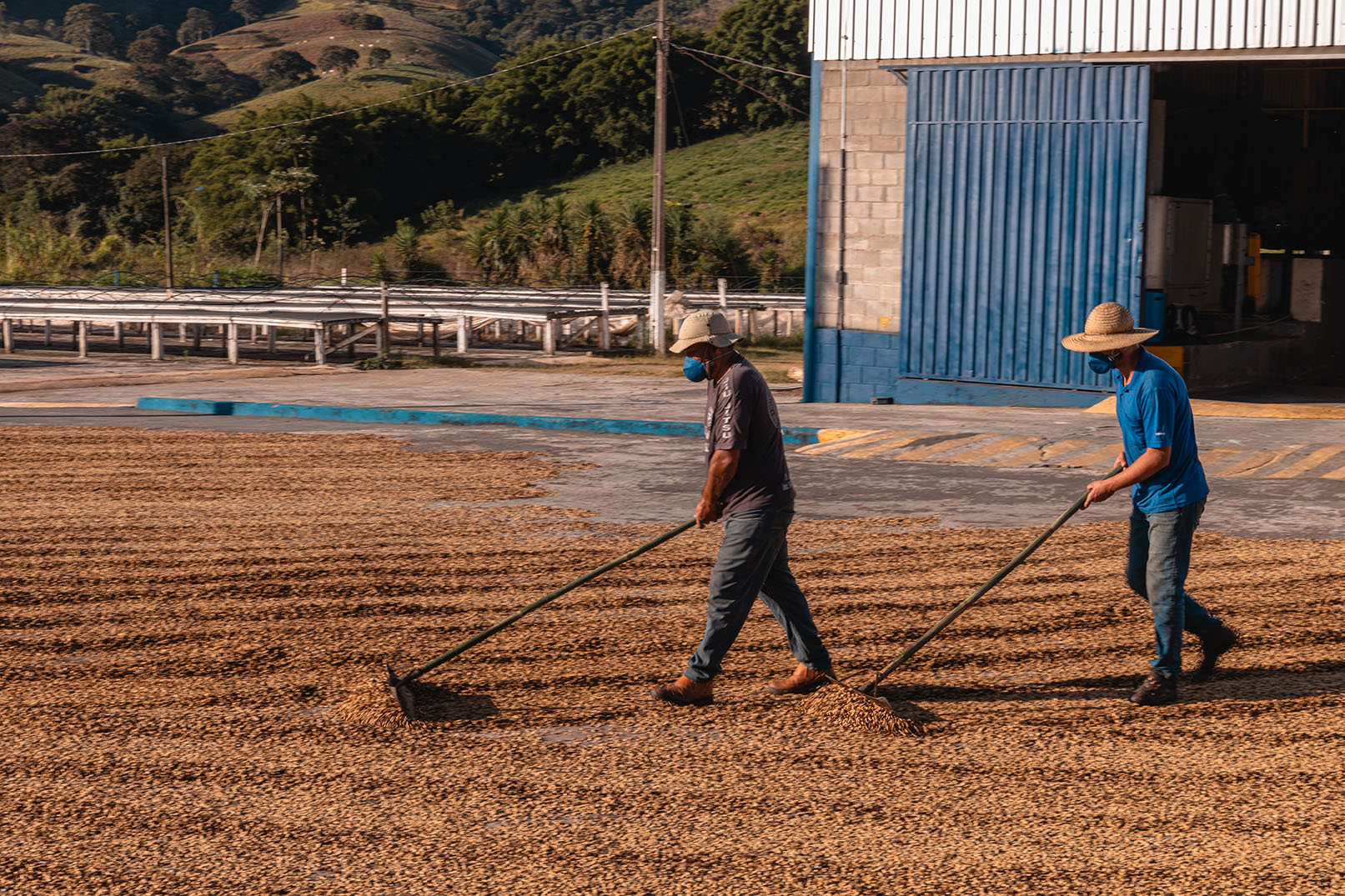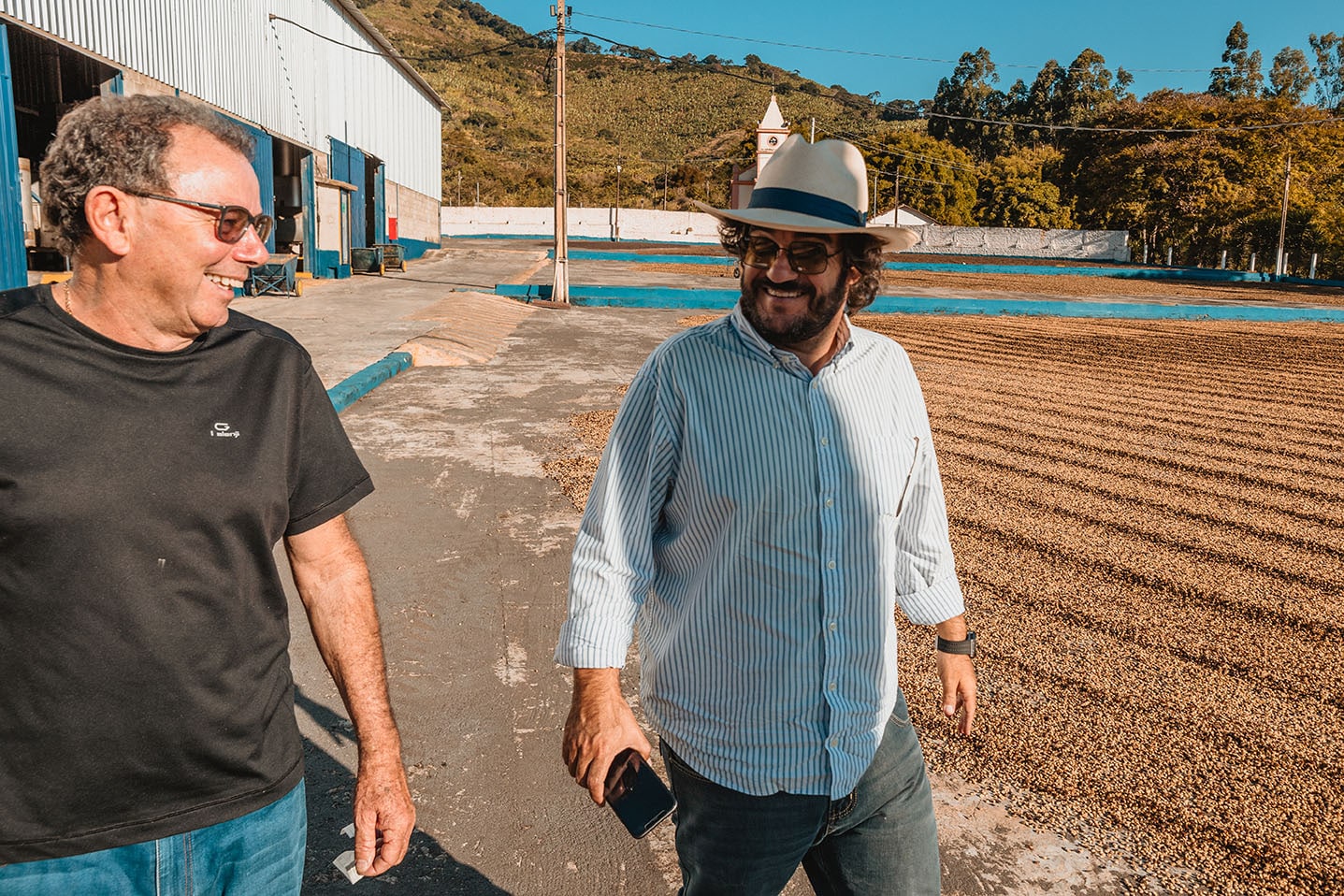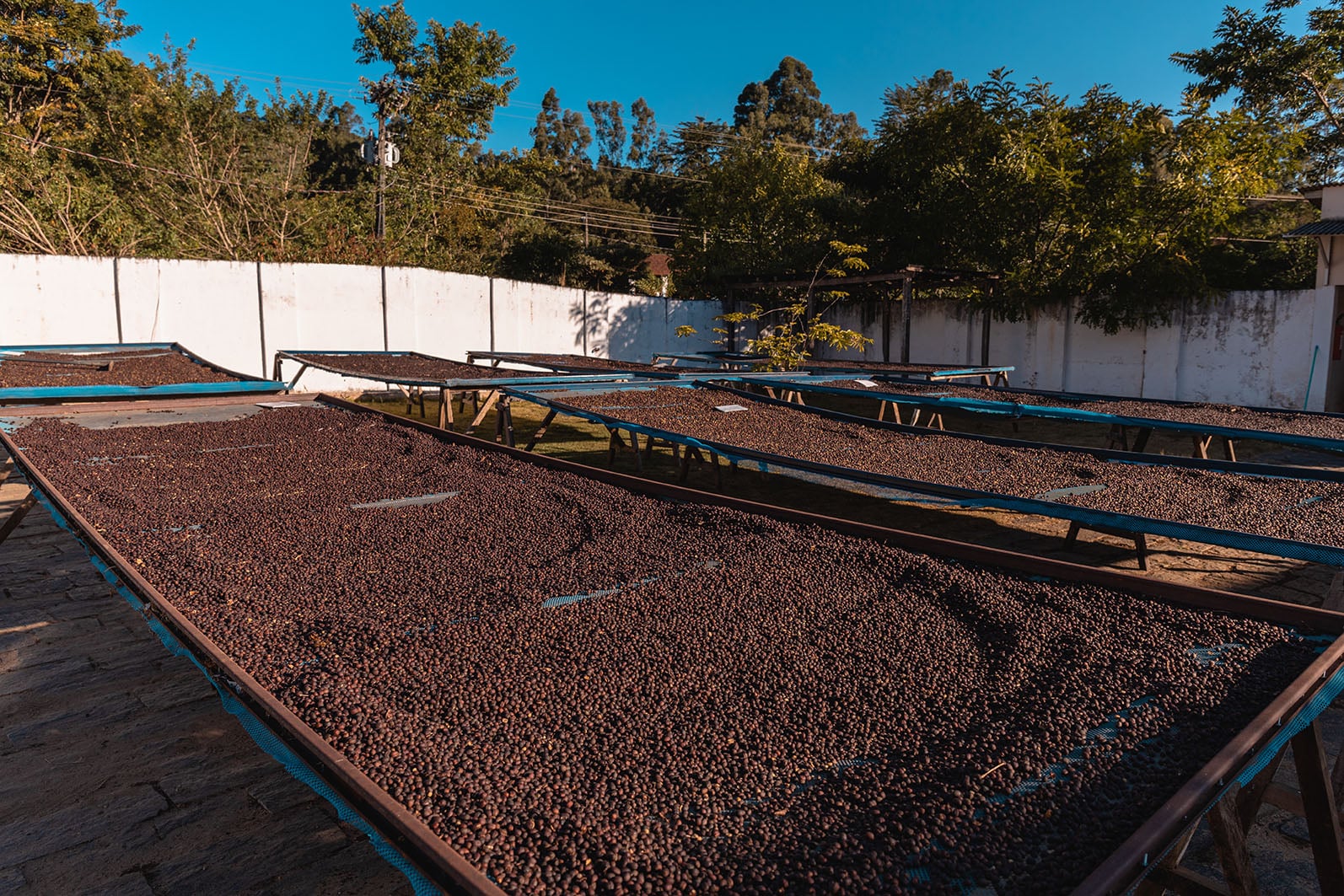
Farm is located in the city of Carmo da Mata, which is a participant of Campo das Vertentes micro-region with origin denomination, also considered South of Minas macro-region.
The family is growing coffee since the early 1900, and is led by producer Monica Borges de Sousa and her second son, Petronio Otavio Borges de Sousa. They prioritize quality and focus a lot on post-harvest processes. Have gained prices and top position on semi washed and natural processes. Alongside coffee production, the family invests their time and resources in a NGO called ICAFE. ICAFE is an institution that brings education, culture and arts to the rural communities next to the farm, enabling families to enhance their income through workshops and the selling of art.
Varietal: Aramosa
Producer: Monica Borges de Sousa & Petronio Otavio Borges de Sousa
Elevation: 1,220 MASL
Processing: Pulped Natural
Region: South Minas
Cup Profile: nutty fudge-caramel sweetness with round creamy, clean body and lingering pleasant acid and floral aroma
CarmoCoffees now runs a complete Infrastructure at Benefício Pedra Branca where the company is able to process, store and trade both recently harvested cherries and fully processed beans delivered by our partners. Benefício Pedra Branca is a coffee buying & processing center located on the municipality of Pedralva, and more specifically at Fazenda Furnas.
The farm itself comprises a coffee producing area large permanent environmental preservation areas and the processing plant which is a property of CarmoCoffees since 2013, consolidating a partnership started 3 years earlier, in 2010.
Varietal: Yellow Catuai
Producer: Various Producers
Elevation: 1,150 MASL
Processing: Natural
Region: Pedralva, MG
Cup Profile: CLEAN ACIDITY, AROMA OF BITTERSWEET CHOCOLATE AND HAZELNUT WITH NOTES OF DRY FRUIT, BROWN SUGAR. A SMOOTH BODY, MILD, AND BALANCED
The profile is a blend of natural process made out of multiple varieties of coffees grown within 1000-1300 masl of altitude. Produced by selected coffee growers from Carmo de Minas region which is located in the South of Minas Gerais in the Mantiqueira mountains. Known for its unique conditions of specialty coffee production, with rainfall average ranging 1100-1600 mm.
Varietal: Mixed Varieties
Producer: Various Producers
Processing: Natural
Elevation: 1,000 – 1,300 MASL
Region: Carmo De Minas
Cup Profile: CLEAN WITH FRUITY NOTES OF GOLDEN RAISIN AND MANDARIN, ALMOND, AND MILK CHOCOLATE. CREAMY BODY WITH A DELICATE ACIDITY
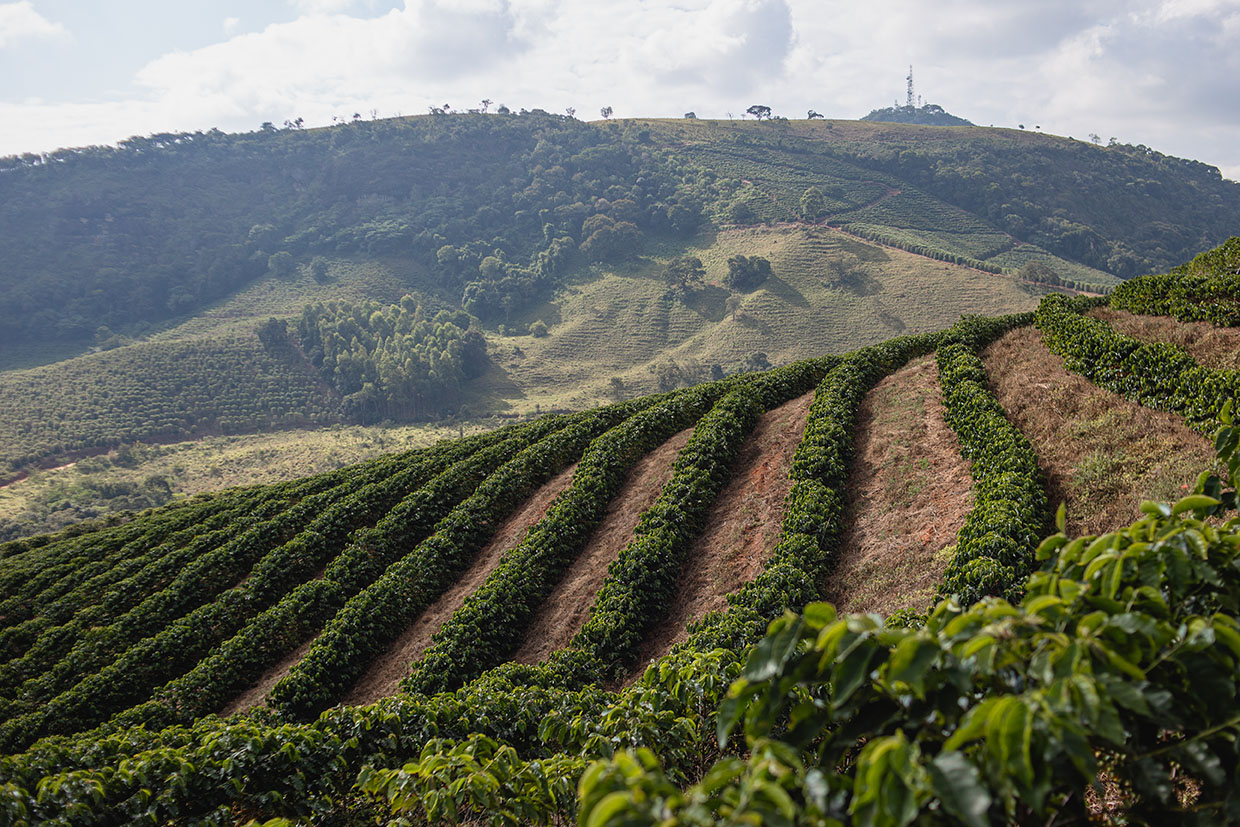
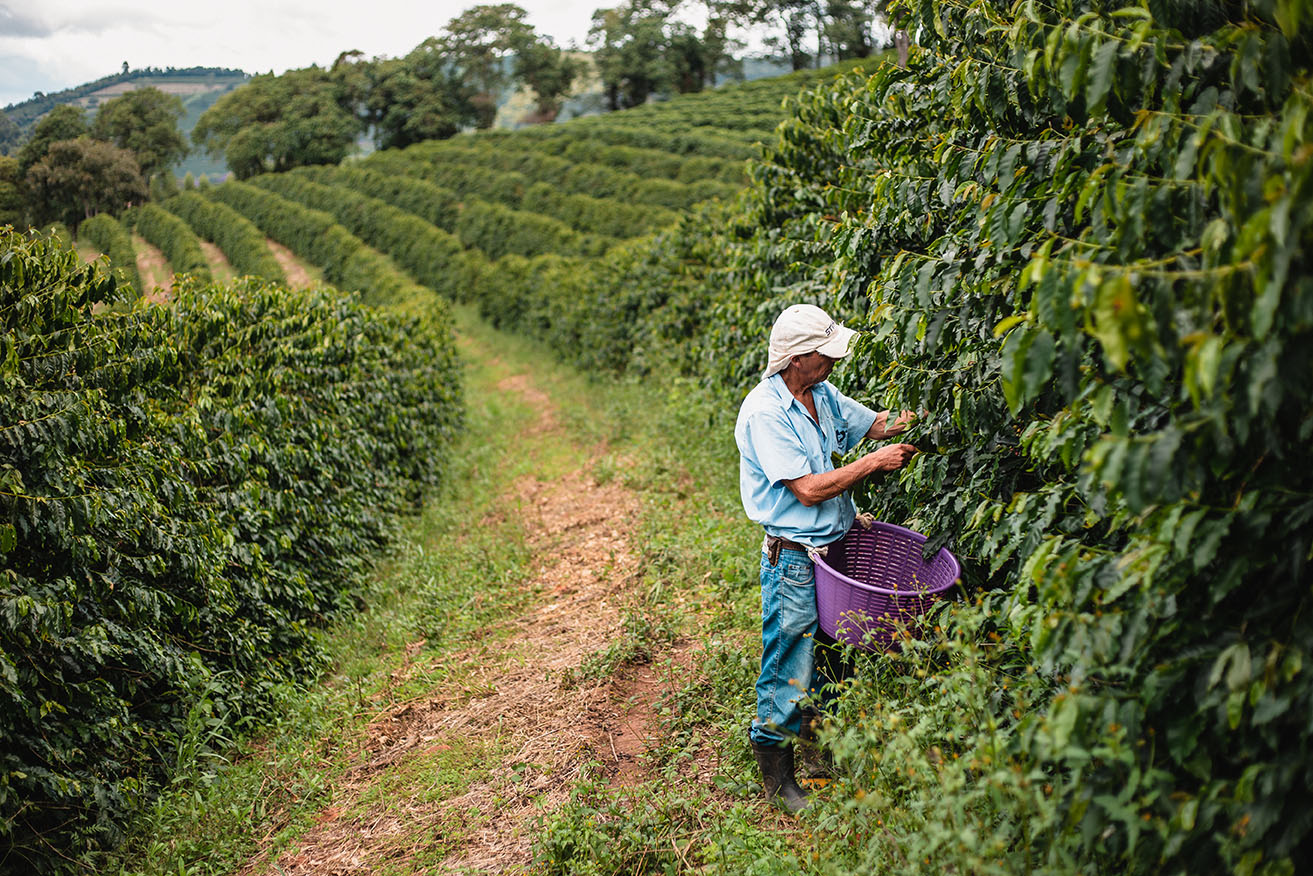
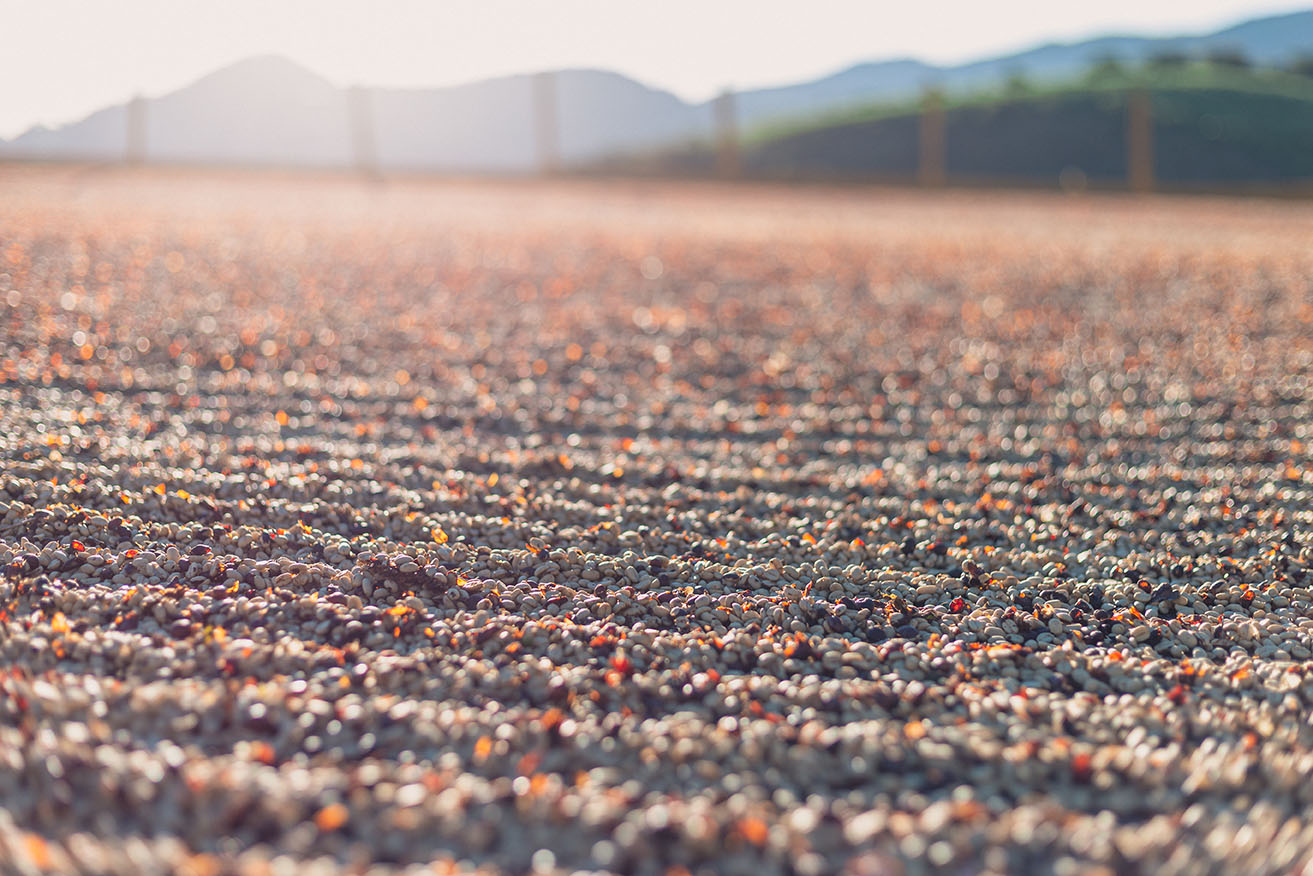
It all started in 1967, when Isidro Pereira, father of Luiz Paulo, bought the farm. By that time, Luiz was still coursing his graduation in agricultural technics and livestock production. 5 years later father and son joined forces to run the farm together. In 1974, by Luiz Paulo’s will, an expansion plan took place at Fazenda IP. More and more coffee seedlings were being planted while the agricultural land grew over 500%. Decades later, Luiz Paulo bought his first de-pulping machine and started studying new methods on coffee processing and the production of specialty coffees.
Varietal: Yellow Bourbon
Producer: Luiz Paulo Dias Pereira
Processing: Pulped Natural
Elevation: 950 – 1,200 MASL
Region: Carmo De Minas
Cup Profile: MEDIUM BODY WITH A PLEASANT OF DARK CHOCOLATE AND CARAMEL SWEETNESS

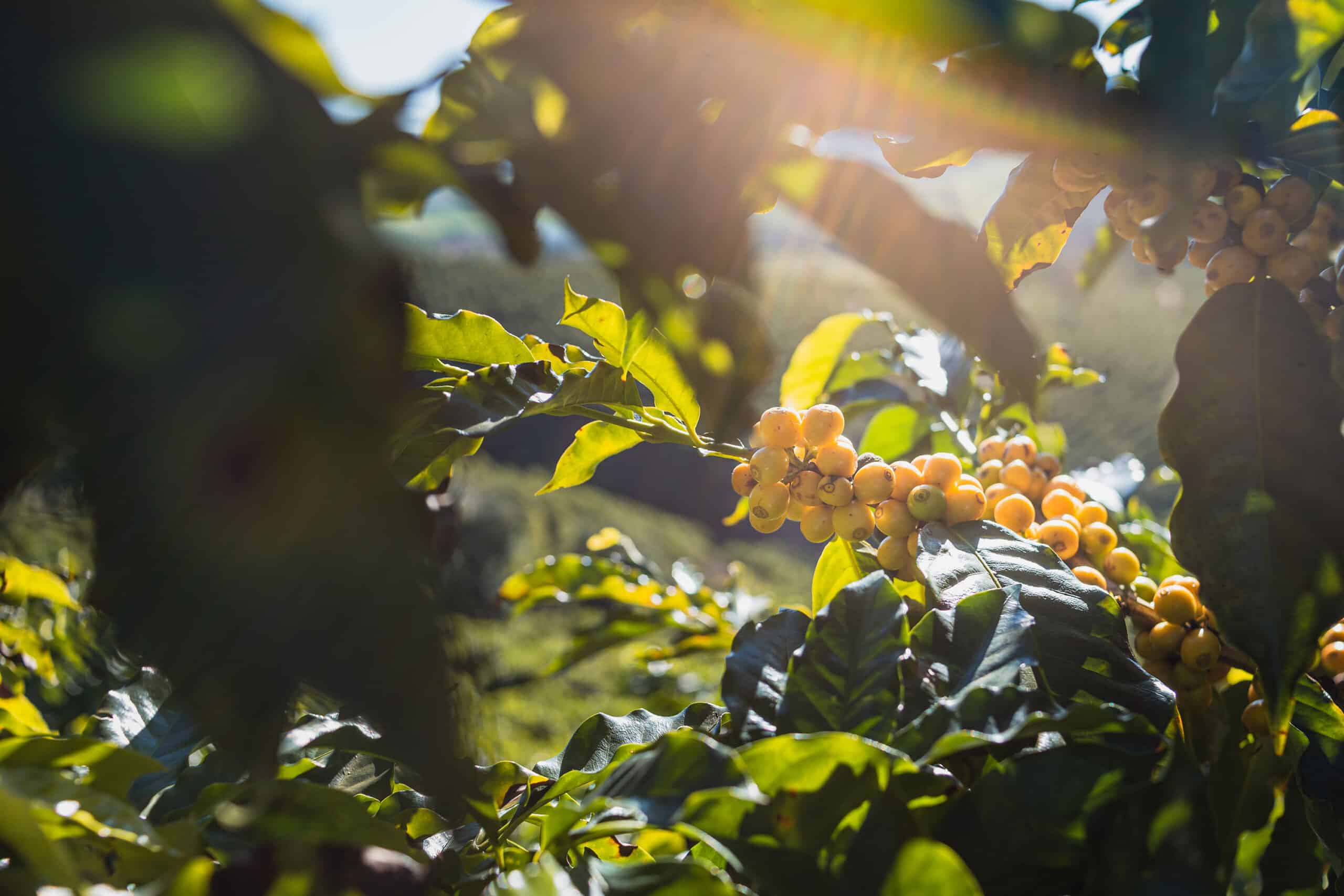
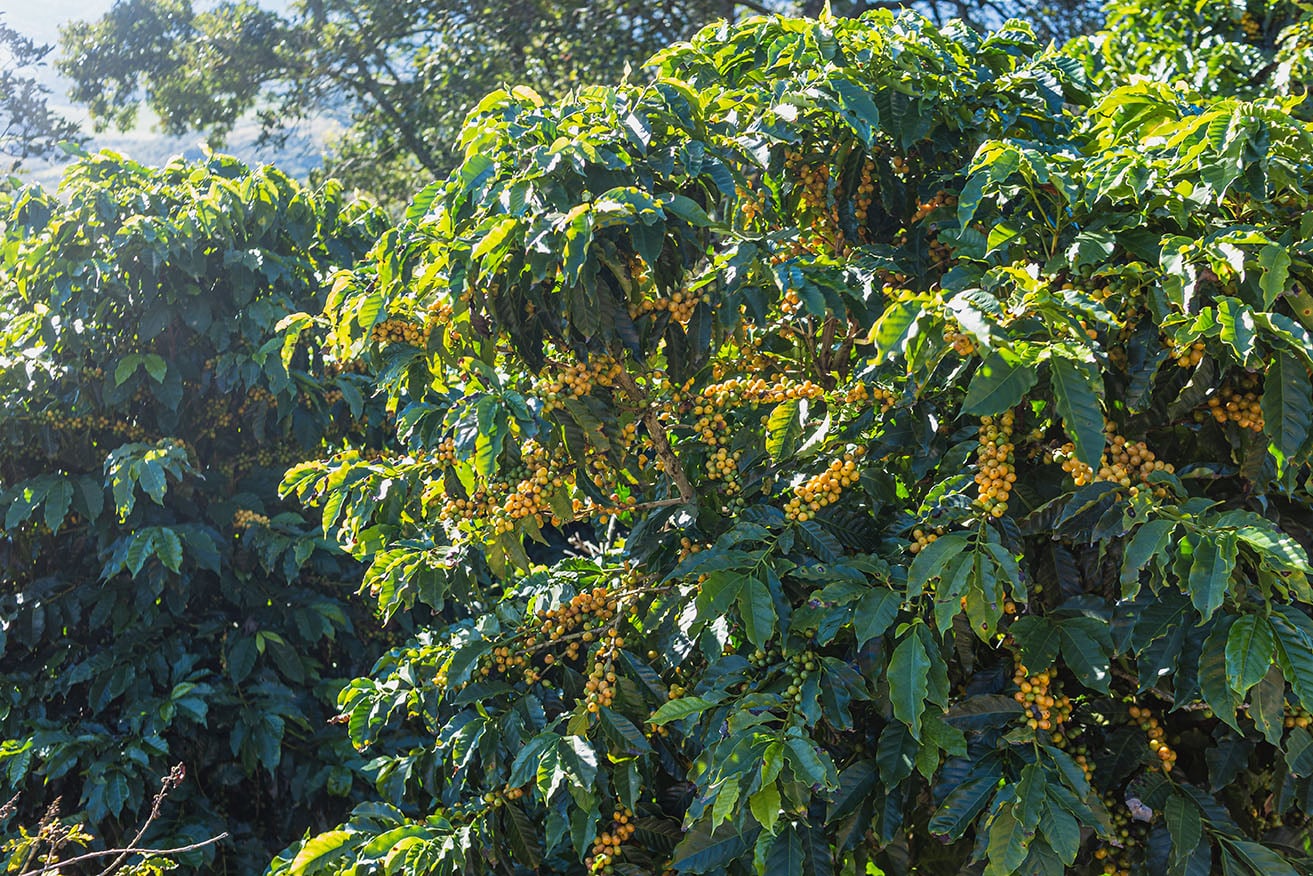
Acquired by the Sertão Group in 1979 already with crops, was begun planting new crops, and which were also built new concrete terraces, washer, dryer and processing. Also dedicated to livestock in Girolando cattle. It is located in the south Minas Gerais on the ridge of Mantiqueira Mountain in the city of Carmo de Minas, at 3 km from the city of Olimpio de Noronha – MG 25 km Carmo de Minas.
Varietal: Yellow Bourbon
Producer: Francisco Isidro Pereira
Elevation: 900 – 1,050 MASL
Processing: Natural
Region: Carmo De Minas, MG, South Minas
Cup Profile: SOFT ACIDITY, NOTES OF MILK CHOCOLATE, SOFT CITRUS, PEACH, ALMOND, A VELVETY BODY, CLEAN AND BALANCED
When Helcio first started to help his Mum on her farm Santa Lucia, he was only 15 years old. There were no concerns about the quality of coffee at that time and it was only in 90′ when the market of Specialty Coffees started to evolve.
Not having any prior knowledge about this coffee segment, Helcio and other producers from the region founded Aprocam – Association of Coffee Producers from the Mantiqueira Region. Their goal was to, through working closely with scientist and coffee experts, produce quality beans in a large-scale. Year after year, Helcio kept getting better in the production of specialty coffees and nowadays his name, and his farm also, are already known in key markets.
Varietal: Yellow Bourbon
Producer: Hélcio Carneiro Pinto
Processing: Natural And Pulped Natural
Elevation: 950 – 1,250 MASL
Region: Carmo De Minas
Cup Profile: AROMA OF BAKERS CHOCOLATE, BRIGHT ACIDITY,
FLAVORS OF BROWN SUGAR, AND RAISINS. MEDIUM BODY
Located on the Minas Face of Serra da Mantiqueira, in the south of the State of Minas Gerais, is the Region of Mantiqueira de Minas, producer of high quality coffees. With a centuries-old tradition in coffee growing, at altitudes between 900 and 1500 meters, it has a different terroir, due to the climate and environment, favorable to the production of specialty coffees. Coffee growing is in its fourth or fifth generation, demonstrating the regional potential and the preservation of man in the countryside.
Varietal: Yellow Catuai
Producer: Mantiqueira de Minas / COCARIVE
Processing: Pulped Natural
Elevation: 1,200 MASL
Region: Carmo De Minas
Cup Profile: SWEET VANILLA, NUTTY NOTES OF CASHEW AND PECAN, CHOCOLATE AND APPPLE. CREAMY BODY, CLEAN ACIDITY
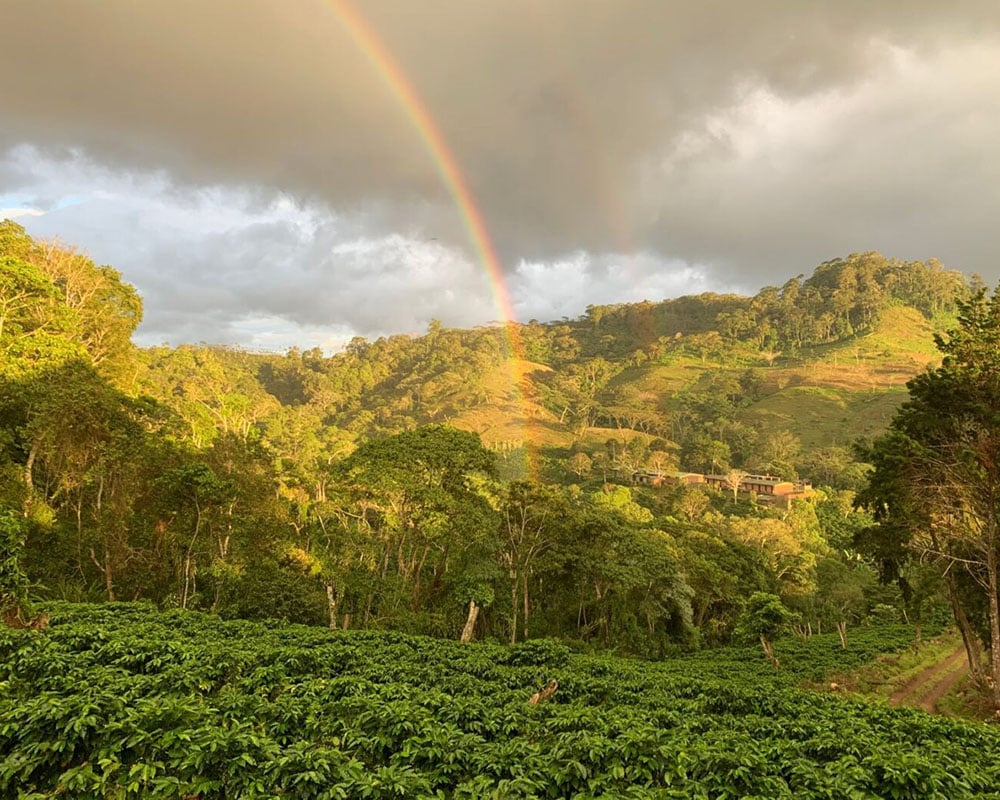
Growing primarily Mondo Novo and Catuai varieties, and utilizing the process of drying the seed inside the fruit(also known as the Natural Process), gives the coffee a fuller body, lower acidity and pronounced sweetness.
The Mogiana region, split between the states of São Paulo and Minas Gerais, is the most renowned of three major Brazilian growing regions. This region has rolling hills and uneven terrain lending to farms that are small to medium in size.
Varietal: Catuai, Mundo Novo
Producer: Narendra
Elevation: 986 – 1,080 MASL
Processing: Natural
Region: Cerrado
Cup Profile: thick, creamy, nutty and semi-sweet with fruity and chocolatey accents
Fazenda Rio Brilhante, meaning “bright river” in honour of the crystal-clear water that feeds the farm. The water originates at the Guarani Aquifer, the second-largest underwater reservoir on the planet. The aquifer runs under much of the Cerrado region and stretches as far as Paraguay and Uruguay.
Varietal: Bourbon, Catuai, Topazio
Producer: Inacio Carlos
Elevation: 985 – 1,080 MASL
Processing: Natural
Region: Cerrado
Cup Profile: mild, juicy, creamy, a hint of vanilla, finishing with a clean touch of toffee and hazelnut sweetness
Mountain Water Decaffeination Process allows the coffee to maintain the flavour of coffee beans. As well as this, the rise in popularity probably has something to do with the fact that this decaffeination process doesn’t use a solvent-based process which can strip away the natural oils and flavours. The Mountain Water Process is environmentally friendly, where it uses only water and activated charcoal without the need for chemical solvents. Being free from residual chemicals, MWP has definitely become a popular option.
Varietal: Mixed Varietals
Producer: Various Producers
Processing: Natural
Elevation: 900 – 1,300 MASL
Region: Various Producers
Cup Profile: SMOOTH BODY, FLAVOURS OF CHOCOLATE AND NUTS, WITH A SWEET AFTERTASTE
Verde means green and this farm in the Paranaiba region draws water from the river of the same name. The water originates at the Guarani Aquifer, the second-largest underwater reservoir on the planet. The aquifer runs under much of the Cerrado region and stretches as far as Paraguay and Uruguay.
Varietal: Bourbon, Catuai, Topazio
Producer: Monica Borges de Sousa & Petronio Otavio Borges de Sousa
Elevation: 1,000 – 1,080 MASL
Processing: Natural
Region: Cerrado
Cup Profile: well-balanced body with hint of tropical fruits and sweetness of sugar cane
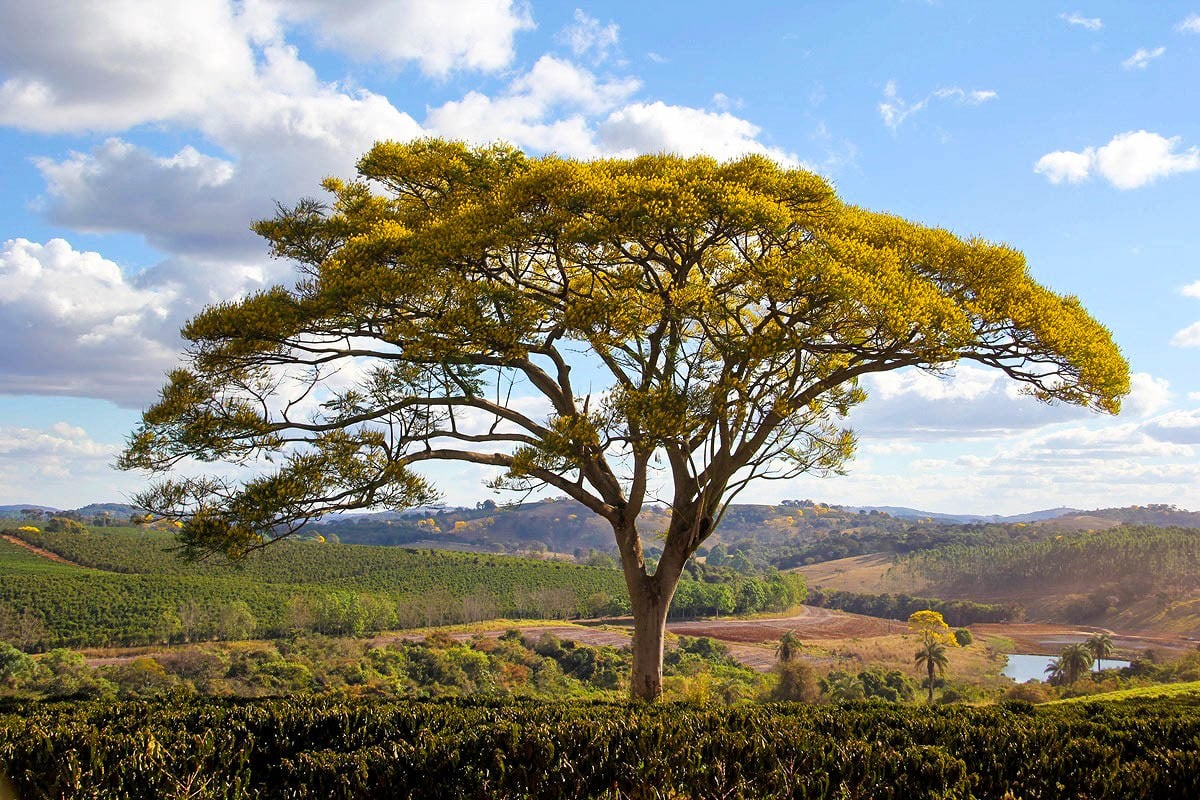
When Helcio first started to help his Mum on her farm Santa Lucia, he was only 15 years old. There were no concerns about the quality of coffee at that time and it was only in 90′ when the market of Specialty Coffees started to evolve.
Not having any prior knowledge about this coffee segment, Helcio and other producers from the region founded Aprocam – Association of Coffee Producers from the Mantiqueira Region. Their goal was to, through working closely with scientist and coffee experts, produce quality beans in a large-scale. Year after year, Helcio kept getting better in the production of specialty coffees and nowadays his name, and his farm also, are already known in key markets.
Varietal: Yellow Bourbon
Producer: Hélcio Carneiro Pinto
Elevation: 1,150 MASL
Processing: Natural and Pulped Natural
Region: Carmo de Minas, MG
Cup Profile: AROMA OF BAKERS CHOCOLATE, BRIGHT ACIDITY, FLAVORS OF BROWN SUGAR, AND RAISINS. MEDIUM BODY
Coffee produced in Rio Brilhante farm and harvest during winter time. Hence it’s named as “Winter”. Rio Brilhante, meaning “bright river” in honour of the crystal-clear water that feeds the farm. The water originates at the Guarani Aquifer, the second-largest underwater reservoir on the planet.
Varietal: Catuai
Producer: Rio Brilhante
Elevation: 1,150 MASL
Processing: Natural
Region: Cerrado
Cup Profile: FULL OF COMPLEXITY, HINT OF JASMINE, NUTTY CHOCOLATE TOUCH WITH SMOOTH, CLEAN AND BALANCED CUP